
Method 1: The Ambient Submersion and Decompression
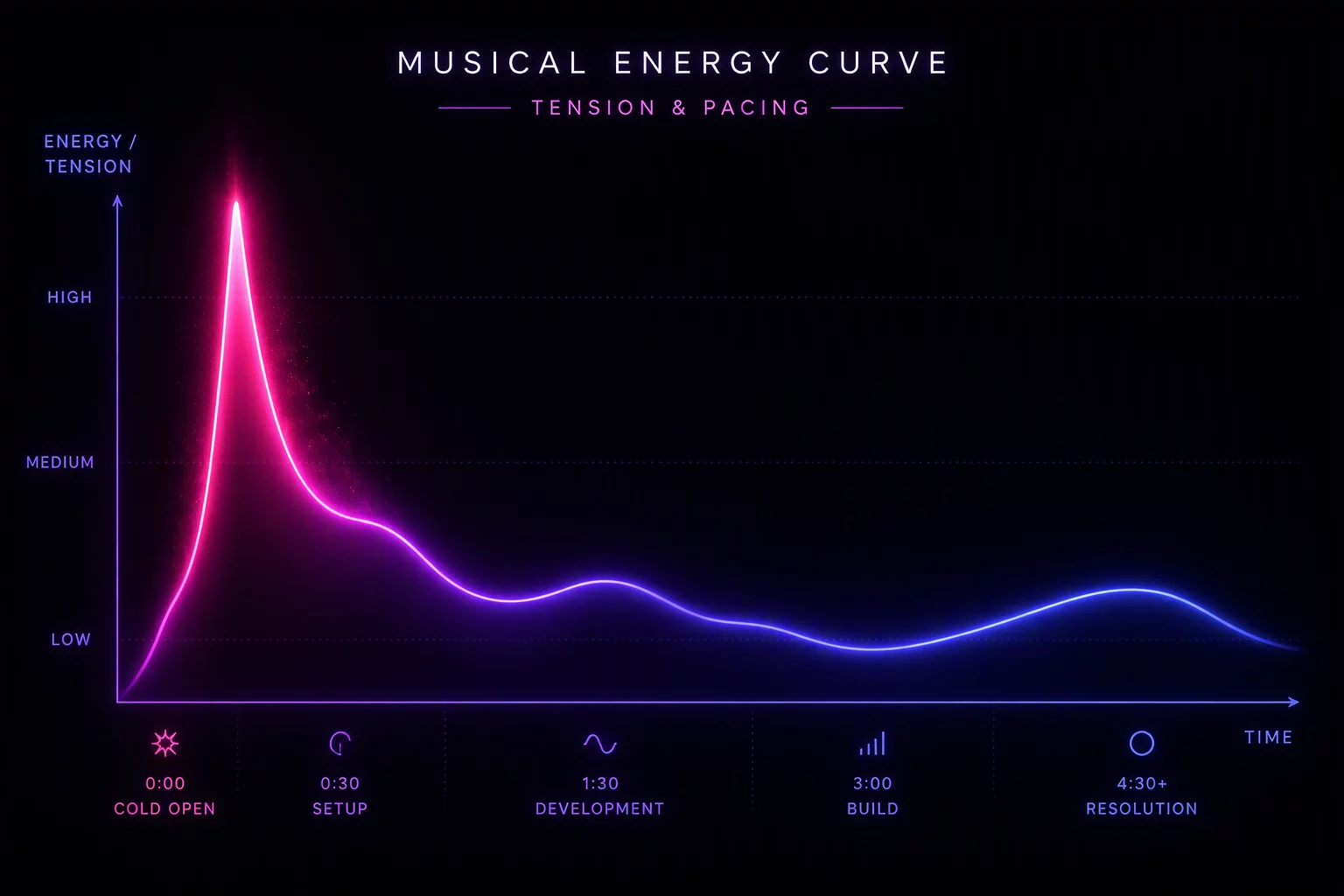
Opening with pure texture rather than a direct rhythmic pulse completely disarms the room. By stripping the low-end kick transient and allowing atmospheric pads, vocal fragments, or modular drones to saturate the stereo field, listeners re-calibrate their ears to the room acoustic properties. This maneuver works exceptionally well when taking over from a DJ who closed with high-energy peak tracks, offering an immediate sensory decompression.
During this opening phase, tempo sync remains secondary to spatial balance. As the ambient layers circulate through the sound system, gradual HPF filtering brings in faint percussive hats at 16-bar intervals. By bar 64, the audience expects a rhythmic resolution, making the entrance of the principal bassline twice as impactful as a standard beatmatch entry.
The first track is not just music; it is an acoustic reset button that cleanses the room memory before you build your own sonic narrative.— Marcus Thorne, Field Acoustic Analysis
Serato DJ Set Preparation
Master cue point positioning, beatgrid locking, and dynamic headroom management for seamless multi-option openings.
Method 2: The Direct Sub-Bass Anchor Entry
While the ambient entry embraces suspense, the direct sub-bass approach relies on undeniable physical authority. Instead of slowly building percussive layers, you trigger a deep, steady kick-bass foundation right on downbeat one. Melodic and vocal elements remain absent, focusing the room entirely on rhythmic resonance and bottom-end propulsion.
Opening Route Comparison Metrics
- Ambient Drift Phase Duration 64 to 96 Bars (Low Percussion)
- Direct Bass Anchor Energy Level Flat 60–65% Dynamic Density
- Syncopated Tease Transition Window 32-Bar Continuous Overlap
- Headroom Retention Target -3.5 dB Channel Trim Baseline
This method works wonders in late-night transitions when the dancefloor is already packed and attentive. The absence of top-end clutter gives the crowd room to breathe while the relentless sub-bass groove prevents any drop in physical momentum.
Method 3: The Syncopated Motif Tease
The third opening blueprint hinges on musical intrigue through rhythmically staggered melodic snippets. By looping a distinct 4-bar synth phrase or vocal chop over a dry, unadorned rimshot loop, you trigger curiosity. The dancefloor hears familiar tonal cues without receiving the full frequency spectrum right away.
Isolate the Signature Hook
Loop an 8-beat harmonic phrase on Deck B with low EQ rolled off entirely to keep room dynamics light.
Layer Neutral Percussive Bed
Drive a clean, unswung 126 BPM kick-hat loop on Deck A to establish steady movement across the floor.
Release Full Frequency Spectrum
Disengage loop at the 32-bar phrasing boundary while bringing channel fader to unity gain.
Applying these three distinct opening maneuvers to the exact same crate of tracks yields vastly different audience responses. The choice between atmospheric drift, direct sub authority, or motif teasing should always be dictated by the handoff context, room temperature, and lighting state.


Fieldbook Insights & Feedback
Marcus Reynolds
Verified ArchitectThe harmonic arc mapping and reset point timings described here matched my field tests in the club environment accurately.
Soren Lindqvist
Exactly. Calibrating the energy crossover at 32-bar phrasing eliminated abrupt drops in tension on the floor.
Contribute Observation