The Psychology of Abrupt Harmonic Shifts
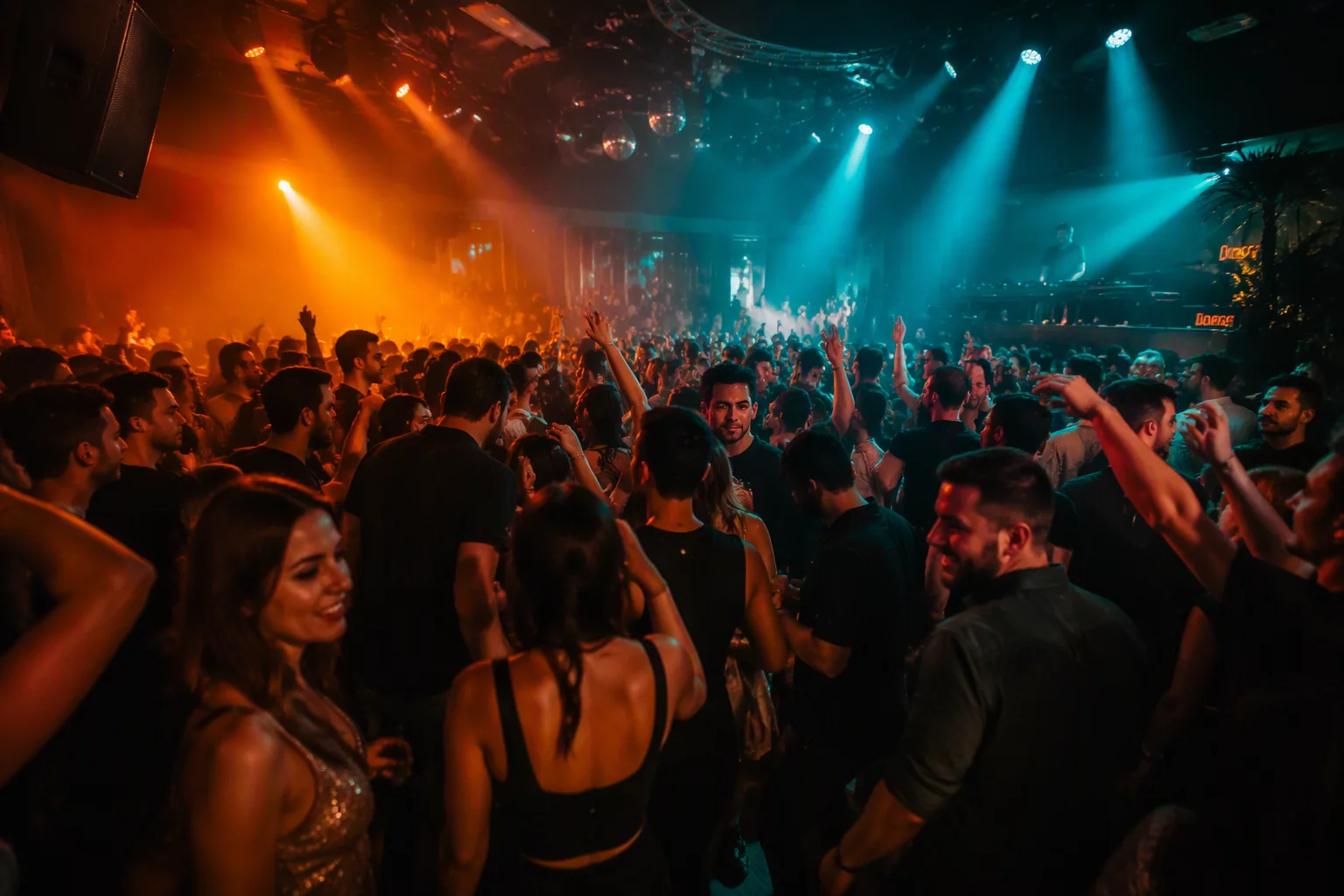
Contrast serves as the heartbeat of memorable club storytelling. When a selector maintains identical 4x4 phrasing and minor-scale textures over an extended duration, sensory habituation takes hold. The crowd stops actively listening and begins to passively drift. Introducing sudden tonal divergence, unexpected polyrhythms, or stripped-down raw percussive records shocks the collective nervous system back into sharp alertness.
The greatest failure during a contrast maneuver is not musical disparity; it is the unexpected evaporation of momentum. If dancers lose the primal bass pulse before their ears adapt to the new timbre, movement ceases. The trick lies in masking the harmonic collision with unbroken kinetic velocity.
A sharp stylistic pivot succeeds only when the rhythm feels like an inevitable revelation rather than an operator error.— Julian Vance, Resident Fieldbook
Serato Performance Cue Setup
Structure hot cues and loop rolls in Serato to execute clean contrast transitions under live pressure.
Engineering the Transition Bridge
When steering a room from deep hypnotic rollers into jagged broken beat cuts, a sustained overlap will result in dissonant clutter. Instead, strip out competing frequencies and rely on isolated rhythm loops as an acoustic bridge.
Transition Benchmark Matrix
- Bridge Methodology High-Pass Filter Loop
- Harmonic Tolerance Up to 3 Camelot Positions
- Breakdown Window 8 to 16 Bars Max
- Impact Velocity Immediate on 1st Downbeat
Keeping a tight 2-bar hi-hat loop running from the outgoing track maintains the room’s internal tempo clock while the incoming track’s distinct bassline establishes territory, eliminating awkward pauses.
The Three-Stage Execution Sequence
Executing stark contrast requires calculated staging. Dividing the maneuver into three defined phases prepares the room subconsciously for the incoming sonic transformation:
Deconstruct Outgoing Harmonics
Pull back outgoing mids and vocals at the phrase boundary, stripping the canvas down to bare percussive bones.
Tease Incoming Timbre
Introduce the incoming lead motif or signature percussive transient over four bars using tight bandpass filtering.
Execute the Hard Downbeat Snap
Cut the outgoing low frequencies on the drop, unleashing the full weight of the contrasting record in one strike.
Applying this protocol across varied tempo bands gives selectors the structural confidence to shift directions whenever room dynamics require a revitalization of energy.

Fieldbook Insights & Feedback
Marcus Reynolds
Verified ArchitectStripping the mid frequencies 8 bars ahead of time completely eliminated the clutter when transitioning between disparate genres during my recent live set.
Contribute Observation