The Structural Anatomy of Premature Energy Deployment
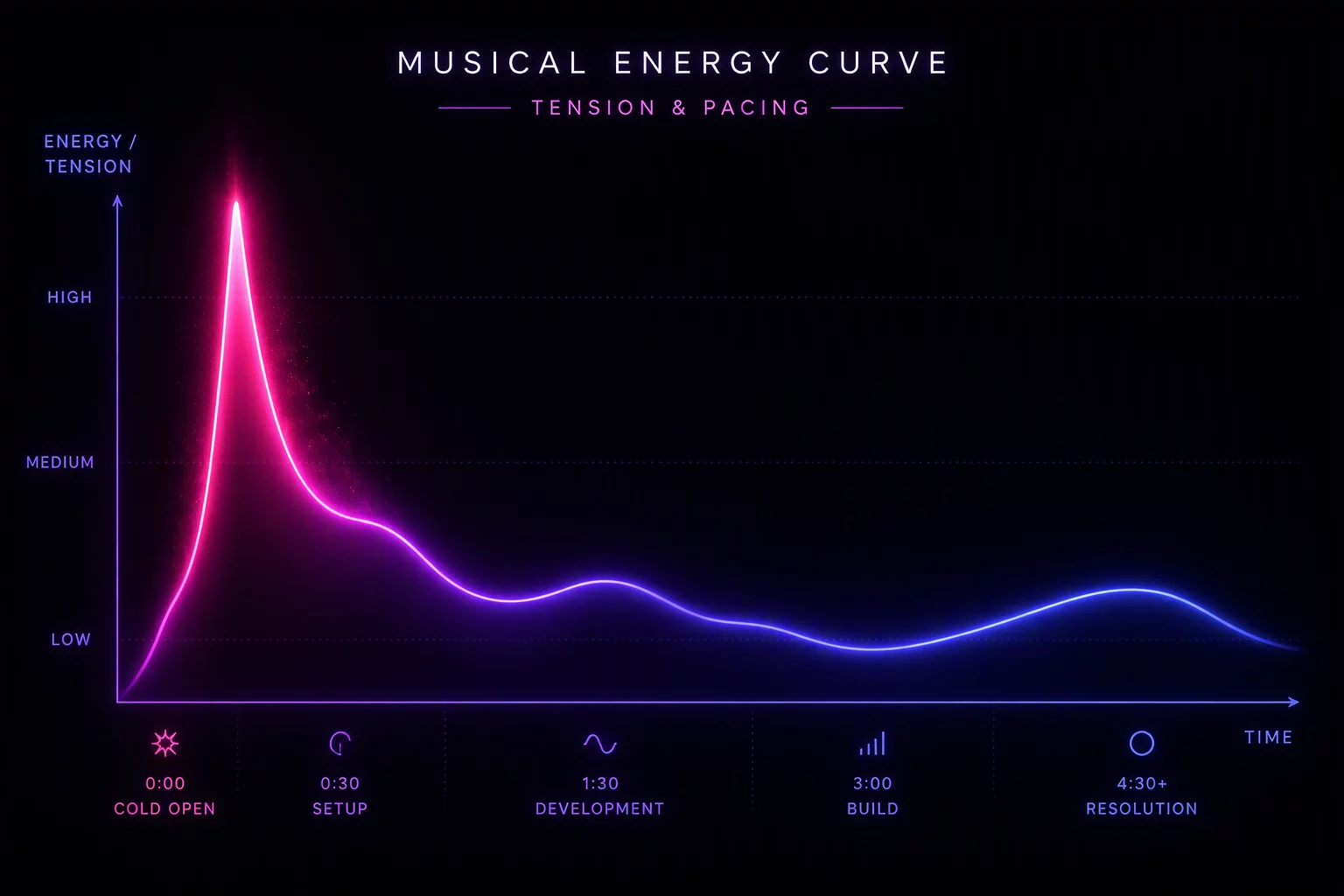
Every dancefloor operates on an unspoken physiological contract. When an audience enters a venue during the first third of an evening or slot, their collective sensory tolerance is gradually adapting to sound pressure, room acoustics, and social momentum. When a selector injects a peak-time anthem at minute thirty-five of a two-hour set, the initial response is almost always explosive applause. However, this instantaneous gratification conceals a severe architectural trap: you have just spent your highest currency before the bank has even opened.
Musical tension requires contrast to exist. In acoustic and psychoacoustic terms, perceived energy is relative rather than absolute. If track four delivers peak saturation with screaming midrange synthesis, saturated kicks, and aggressive vocal stabs, every track that follows must either exceed that intensity or suffer from perceived dynamic deflation. Because sound systems have limited dynamic headroom and human ears fatigue rapidly under sustained high-frequency pressure, escalating past that premature peak is structurally impossible without distorting the acoustic environment.
When you give the room everything in the first forty minutes, you do not just burn a massive track—you forfeit the authority to guide where the story goes next.— Elena Rostova, SetArc Fieldbook Research
Calibrating Energy Cues in Serato DJ Pro
Tag track energy tiers and dynamic markers directly inside crate comments to avoid accidental climax track deployment under live pressure.
Pacing Metrics & Perceived Dynamic Compression
To quantify why early peaks disrupt floor stability, we must examine the relationship between rhythmic density, frequency occupancy, and crowd retention. When an aggressive track takes over, it occupies the entire audible spectrum, leaving zero sonic space for tension buildup. The audience responds with high physical exertion, yet this state cannot be prolonged without physical exhaustion setting in within fifteen to twenty minutes.
Diagnostic Parameter Breakdown
- Ideal Peak Placement Target 65% to 75% of Set Timeline
- Auditory Recovery Window 8 to 12 Minutes (2–3 Tracks)
- Midrange Density Shift -3 dB Cut on Secondary Elements
- Recommended Floor Recalibration Mode Hypnotic Minimalist Groove
The data reveals that following an unchecked early peak, dancers instinctively disengage to purchase drinks or rest. If the selector attempts to hold that artificial ceiling by chaining three more peak-level records in succession, the room empties faster due to sensory burnout. Recovery requires deliberate, measured deceleration rather than an uncontrolled downward spiral.
The Three-Phase Re-anchoring Protocol
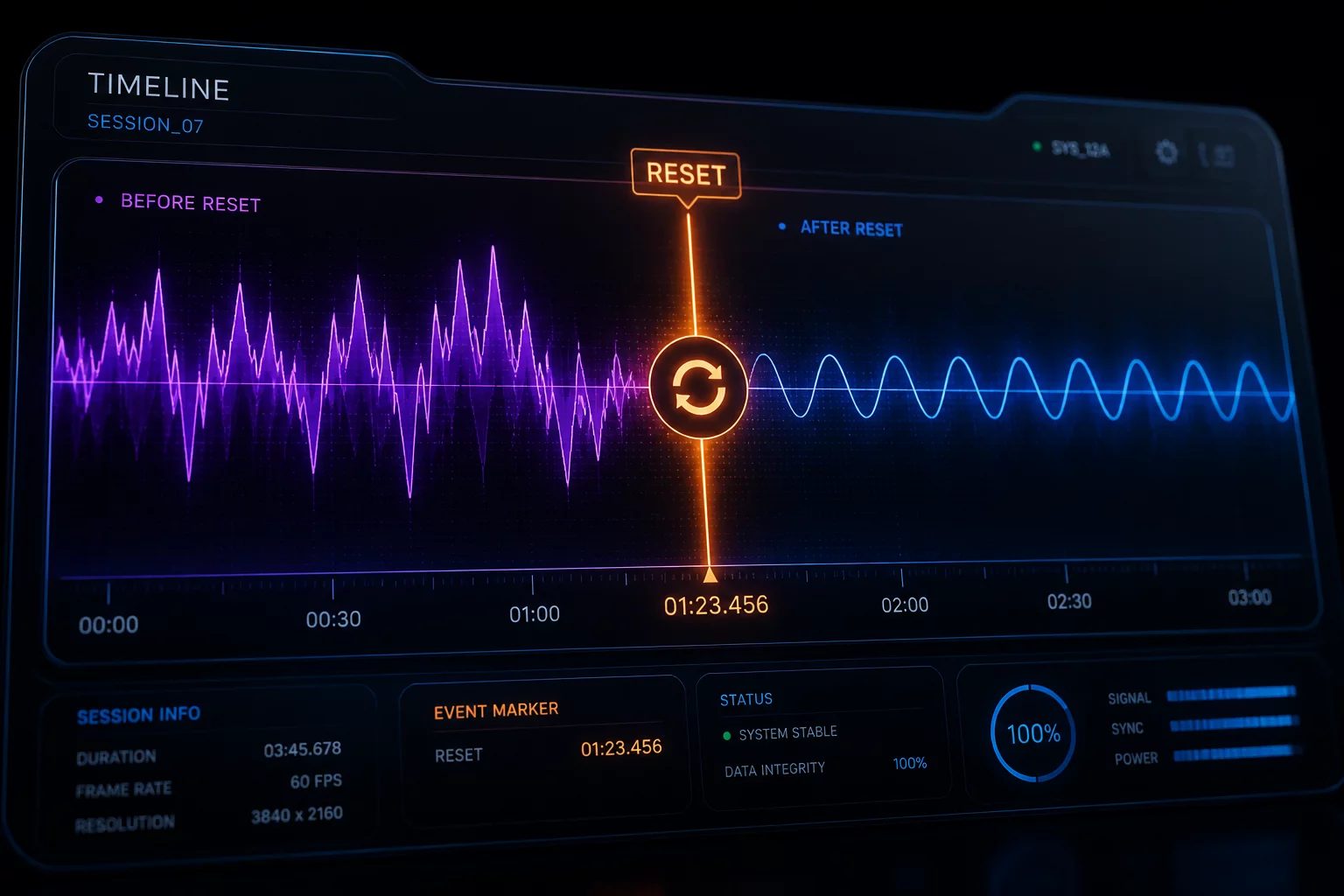
When an early peak has occurred, whether by misreading crowd enthusiasm or misjudging a transition, panic is the worst enemy. Slashing BPM abruptly or cutting directly into a downtempo record shatters the dancefloor vibe. Instead, apply this structured three-phase corrective sequence across the next nine to twelve minutes.
Strip the Melodic Lead and Lock the Low-End Groove
Transition into a track that preserves low-end drive and tempo stability but completely strips out euphoric synth leads and anthemic vocal hooks. Let the groove anchor the movement while ear fatigue subsides.
Introduce Organic Polyrhythmic Percussion
Shift the audience focus from sheer volume and wall-of-sound energy toward intricate percussive movement, rolling shakers, and syncopated tom fills. This restores dynamic curiosity without sacrificing body momentum.
Re-establish the Ascending Harmonic Ladder
Once the room has settled into the hypnotic rhythm, initiate a new, measured ascent using subtle harmonic modulation. Rebuild expectation progressively so the genuine climax hits at the true architectural apex.
By applying this deliberate arc recovery method, you transform an unintended peak from a set-ending mistake into a compelling narrative detour. The audience experiences the dip not as a loss of momentum, but as deep, sophisticated tension before the final resolution.


Fieldbook Insights & Feedback
Marcus Reynolds
Verified ArchitectThe analysis on relative headroom deficit matches what I experienced last weekend. I dropped my biggest weapon at minute 40, and the rest of the second hour felt completely flat in comparison.
Soren Lindqvist
Using the three-track stepped de-escalation with stripped percussion really saves the room in that scenario. It cleanses the acoustic palate before starting over.
Tanya Cross
Club ResidentCrucial read for anyone playing longer warm-up or prime transitional slots. Tagging crates by energy tier in Serato has helped me prevent accidental early peaking entirely.
Contribute Observation