
Identifying the Acoustic Fatigue Threshold
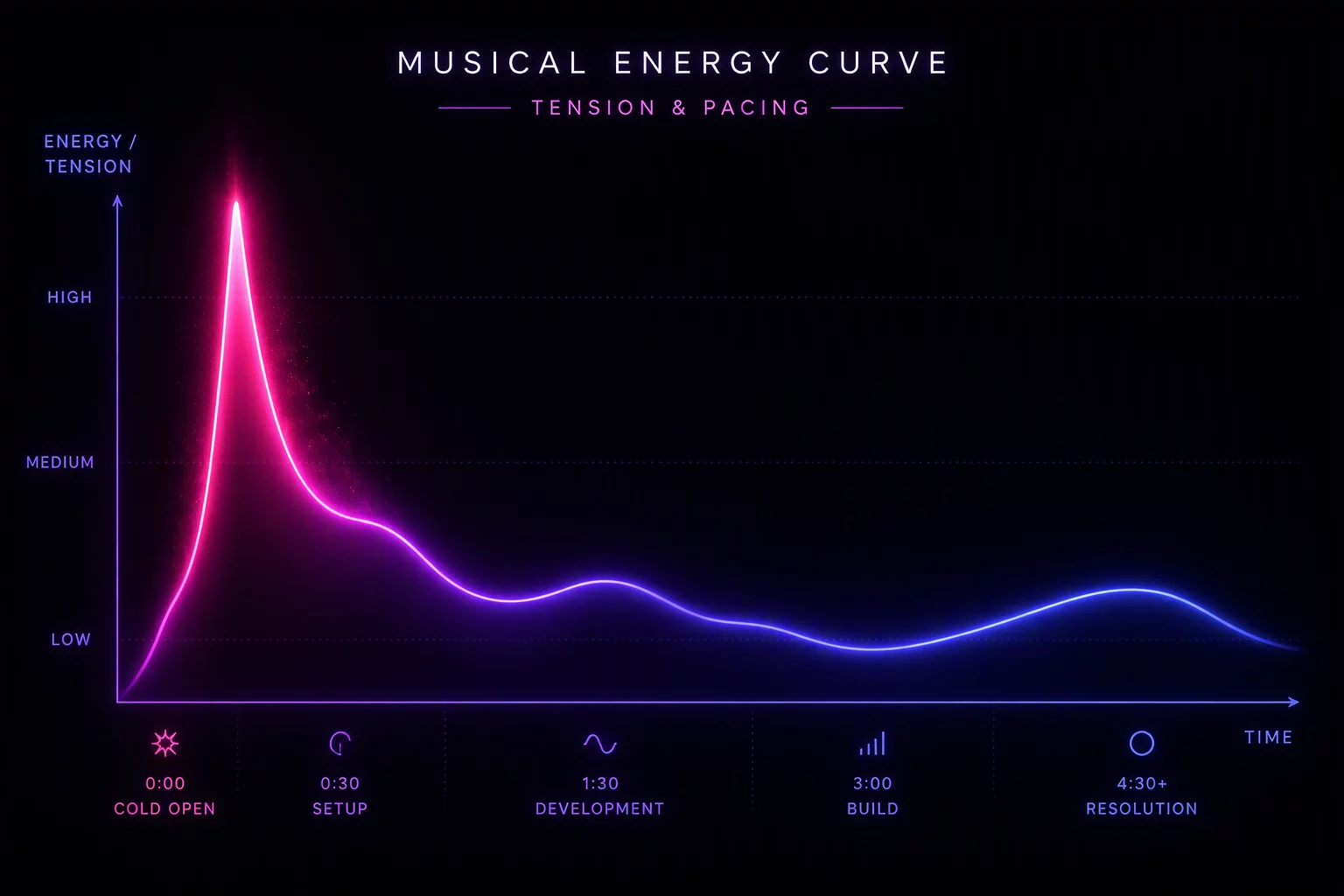
A common miscalculation among emerging performers is the belief that every track must be bigger, louder, and more aggressive than the last. In practice, auditory fatigue sets in rapidly when dynamic range is flattened across multiple peak-hour tracks. The human ear acclimates to sustained sound pressure and continuous mid-range aggression, transforming what was once an explosive drop into monotonous background noise.
Recognizing the fatigue threshold requires active observation of the room. Dancers begin shifting weight mechanically, glancing away from the sound system, or drifting toward the perimeter. These micro-behaviors signal that the room is overwhelmed rather than understimulated. Inserting a track with lower frequency density at this exact juncture prevents total dancefloor attrition.
Dynamic contrast is the true generator of perceived power. If everything screams at maximum volume, nothing stands out.— Sarah Jenkins, Resident Field Notes
Harmonic Phrasing Reference Manual
Explore our comprehensive guide to mapping cue points, gain staging, and energy profiles in performance software.
Frequency Stripping vs. Tempo Deceleration
Reducing energy does not necessitate an abrupt reduction in tempo or sudden silence. Instead, effective de-escalation relies on manipulating spectral density and rhythmic complexity. By transitioning into a production that isolates the low-end groove while clearing out high-frequency synth stabs and aggressive top-end transients, the floor maintains physical motion while the nervous system decompresses.
De-Escalation Transition Parameters
- Optimal Entry Phrasing Breakdown / Outro Core
- Sub-Bass Preservation 40 Hz – 90 Hz Continuous
- High-Mid Attenuation -4.5 dB Shelf
- Recommended Duration 2 to 3 Track Cycles
Maintaining sub-bass continuity while thinning the upper harmonics keeps bodies moving without demanding full mental focus. The dancefloor continues swaying on autopilot, creating an effortless tension that makes the upcoming build-up far more impactful.
Practical Steps for Executing the Energy Dip
Implementing a strategic drop in intensity requires deliberate staging to prevent the room from misinterpreting the move as a loss of momentum. Follow this three-phase framework:
Filter High-Mid Transients During Outro
Gradually carve out the upper mids of the outgoing track over 16 bars to lower sensory pressure before the next downbeat hits.
Introduce a Stripped Rhythm Bed
Bring in the incoming selection featuring clean kick-and-bass fundamentals with minimal melodic intrusion.
Hold the Pocket for at Least 90 Seconds
Resist the urge to rush into the next buildup; allow the room to settle into the hypnotic pocket and re-calibrate their ears.
Once the collective baseline is established, introducing a new melodic motif or snare roll will generate twice the emotional payoff compared to continuous stacking.

Fieldbook Insights & Feedback
Marcus Reynolds
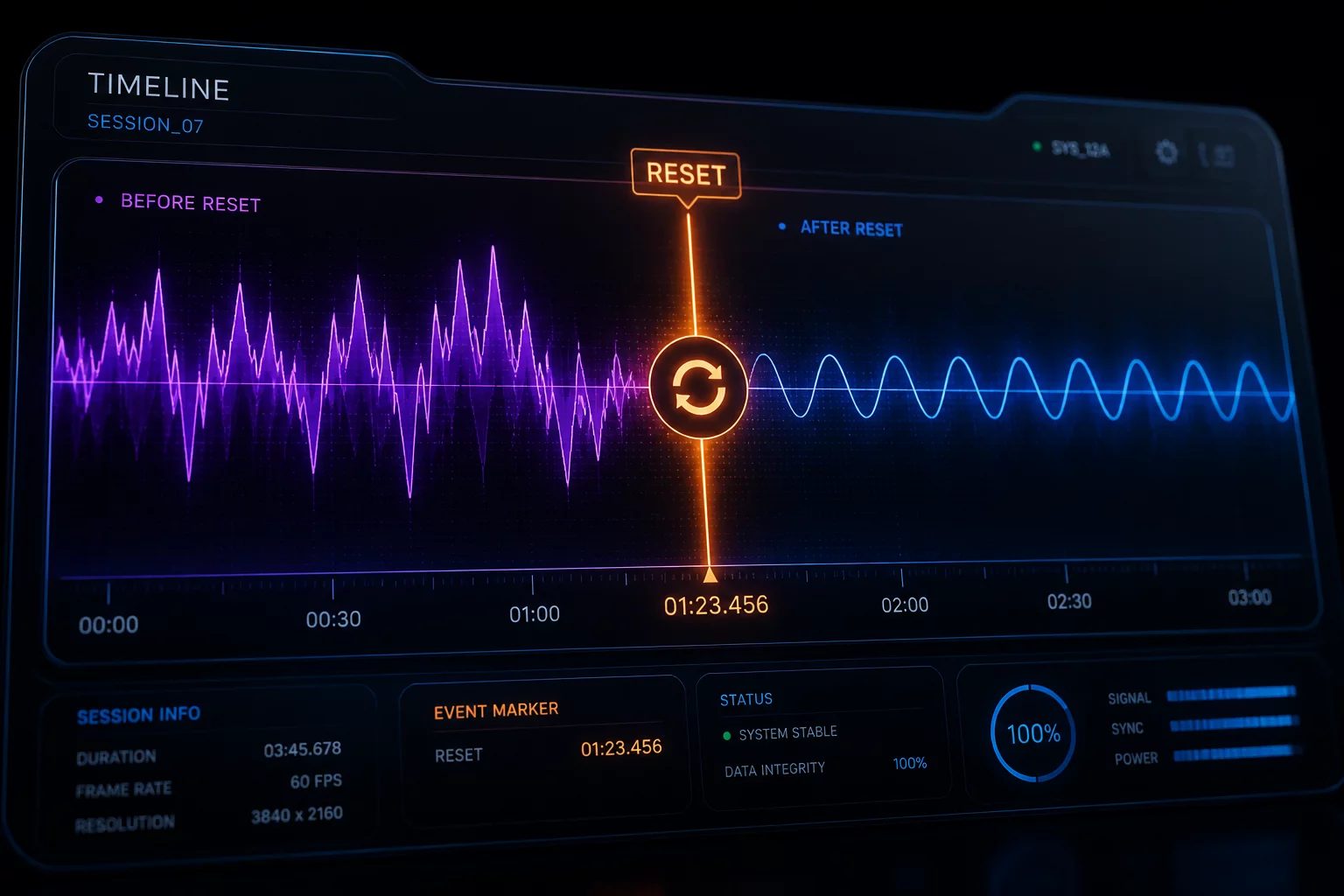
Verified ArchitectThe harmonic arc mapping and reset point timings described here matched my field tests in the club environment accurately.
Soren Lindqvist
Exactly. Calibrating the energy crossover at 32-bar phrasing eliminated abrupt drops in tension on the floor.
Alexei Keller
Club ResidentThe frequency stripping concept without BPM dropping works like magic in techno sets. People don't leave because the kick is driving them, but the ears get to rest.
Dana Price
Agreed Dana. High-mid filtering on the 16-bar tail gives room for a deeper bassline to feel massive on arrival.
Contribute Observation