The Illusion of Compounding Energy
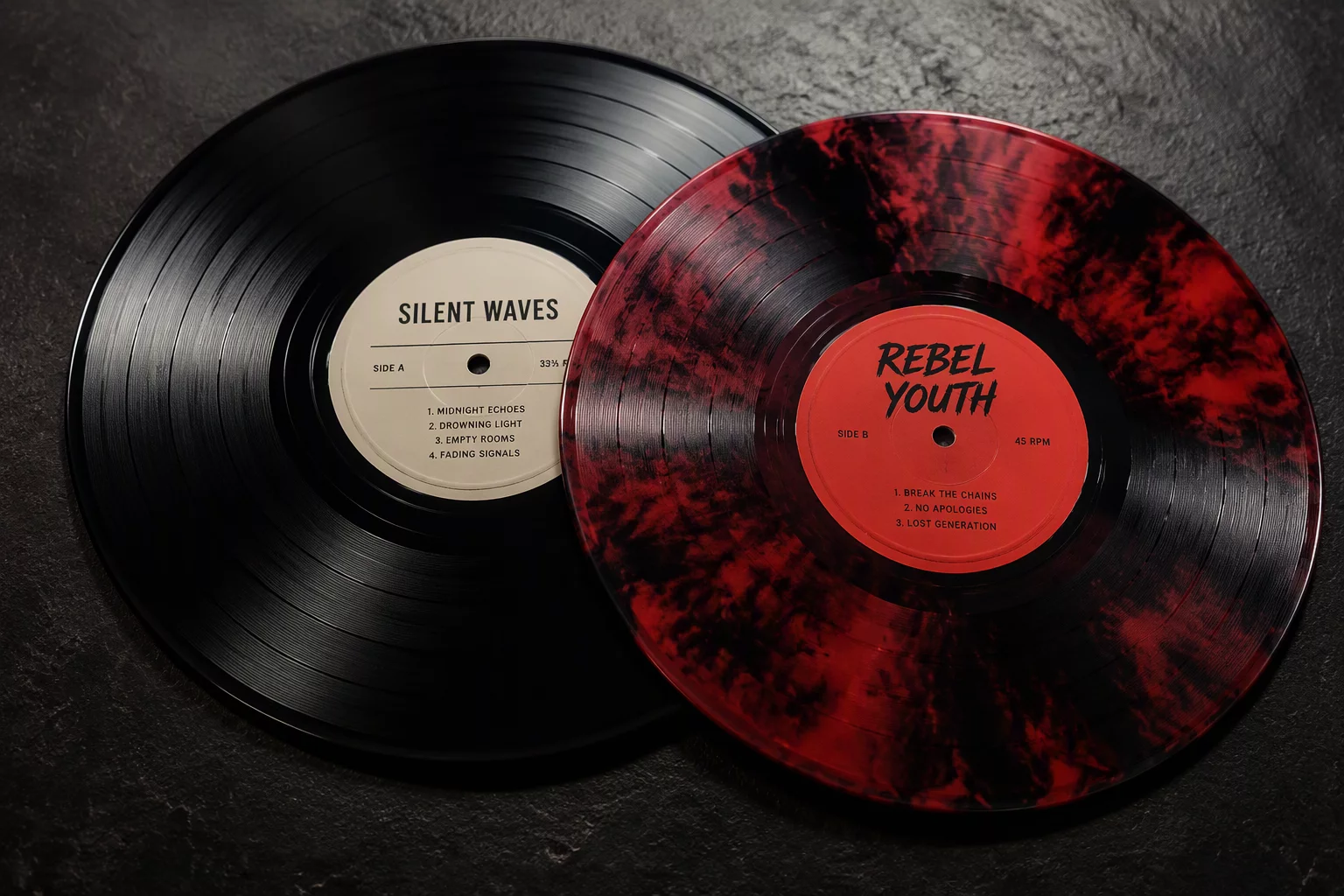
Every selector eventually discovers a painful truth in the booth: playing two indisputable crowd favorites consecutively does not produce double the excitement. While both selections may boast impeccable individual credentials, their simultaneous energy demands conflict violently. Instead of lifting the room higher, the second track often lands with a hollow thud because the dance floor was never afforded the space to reset its sensory baseline.
This phenomenon stems from acoustic saturation and psychological tension dynamics. A peak-time track commands complete spatial attention with saturated synth lines, massive sub-bass presence, and distinctive vocal hooks. When the next track enters with equal loudness and competing melodic motifs, dancers experience cognitive sensory overload. The emotional peak of the first piece becomes an anchor that weighs down the potential of the second.
Two masterpieces placed together without breathing room become noise. Pacing is not about the intensity of individual records, but the valleys carved between them.— David Chen, Resident Selector & Sound Architect
Serato Cue & Buffer Structuring
Learn how to organize cue points and structural bridge markers inside Serato DJ Pro to avoid energy gridlocks in live sets.
Anatomy of an Incompatible Sequence
To diagnose why two strong selections fail in tandem, we must inspect four distinct technical and psychological vectors. In our test booth measurements, pairing two heavily compressed club masters resulted in immediate perceived dynamic flattening, regardless of master limiter headroom.
Clash Matrix Breakdown
- Dynamic Range Compression -6.2 LUFS vs -5.8 LUFS (Overcrowded)
- Midrange Saturation 800Hz – 3.2kHz Heavy Masking
- Tension Curve Sustained Maximum (0% Relief)
- Recommended Buffer 16 to 32 Bars of Stripped Percussion
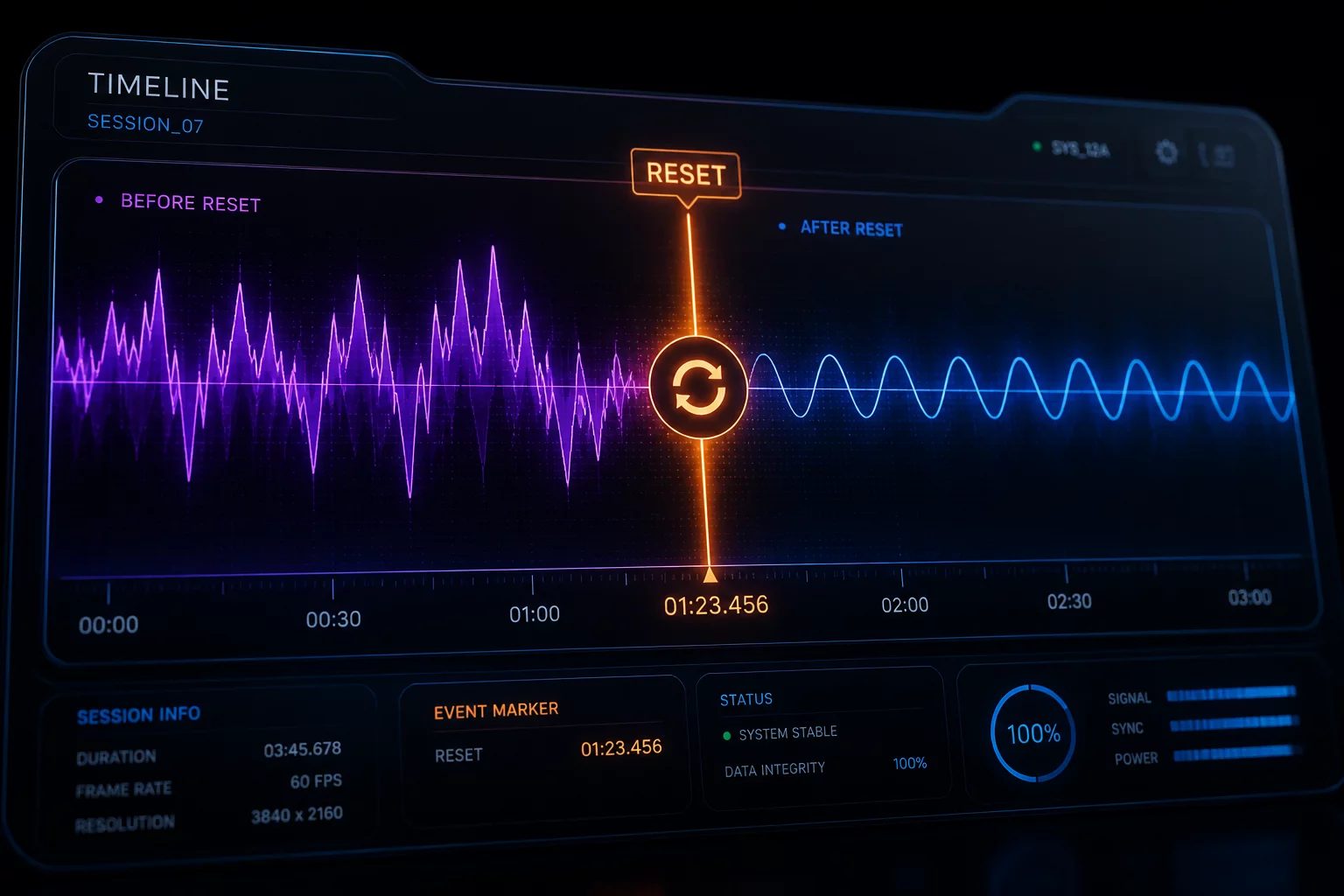
When both tracks operate at maximum perceived loudness, the master channel loses contour. The audience subconsciously feels that nothing has changed, even when a completely different vocal or lead line enters. True intensity requires dynamic relief—a momentary lowering of sonic density so that the entrance of the next peak element feels monumental.
Practical Techniques to Decouple Clashing Records
When you absolutely must play two major statement tracks in the same hour, deliberate decoupling techniques are essential. You cannot blend them in a standard 32-bar phrase overlap without muddying their distinct emotional signatures.
Insert a Functional Groove Tool
Strip the soundstage down to raw drums and a rolling sub-bassline for 45 to 90 seconds. This flushes the room's melodic memory and re-sensitizes ears to upcoming tonal hooks.
Extend the Breakdown Valley
Filter out the low-end frequencies of the outgoing peak track early, allowing room ambiance and minimal percussion to create an intentional suspense vacuum.
Shift the Tonal Envelope
Transition into a contrasting timbre—such as moving from a jagged acid synth to a warm analog pad—before re-engaging peak rhythmic drive.
By managing these transition zones with discipline, each major selection retains its heroic character. The dance floor experiences a continuous, well-proportioned journey rather than an exhausting wall of sound.


Fieldbook Insights & Feedback
Marcus Reynolds
Verified ArchitectThe harmonic arc mapping and reset point timings described here matched my field tests in the club environment accurately.
Soren Lindqvist
Exactly. Calibrating the energy crossover at 32-bar phrasing eliminated abrupt drops in tension on the floor.
Contribute Observation