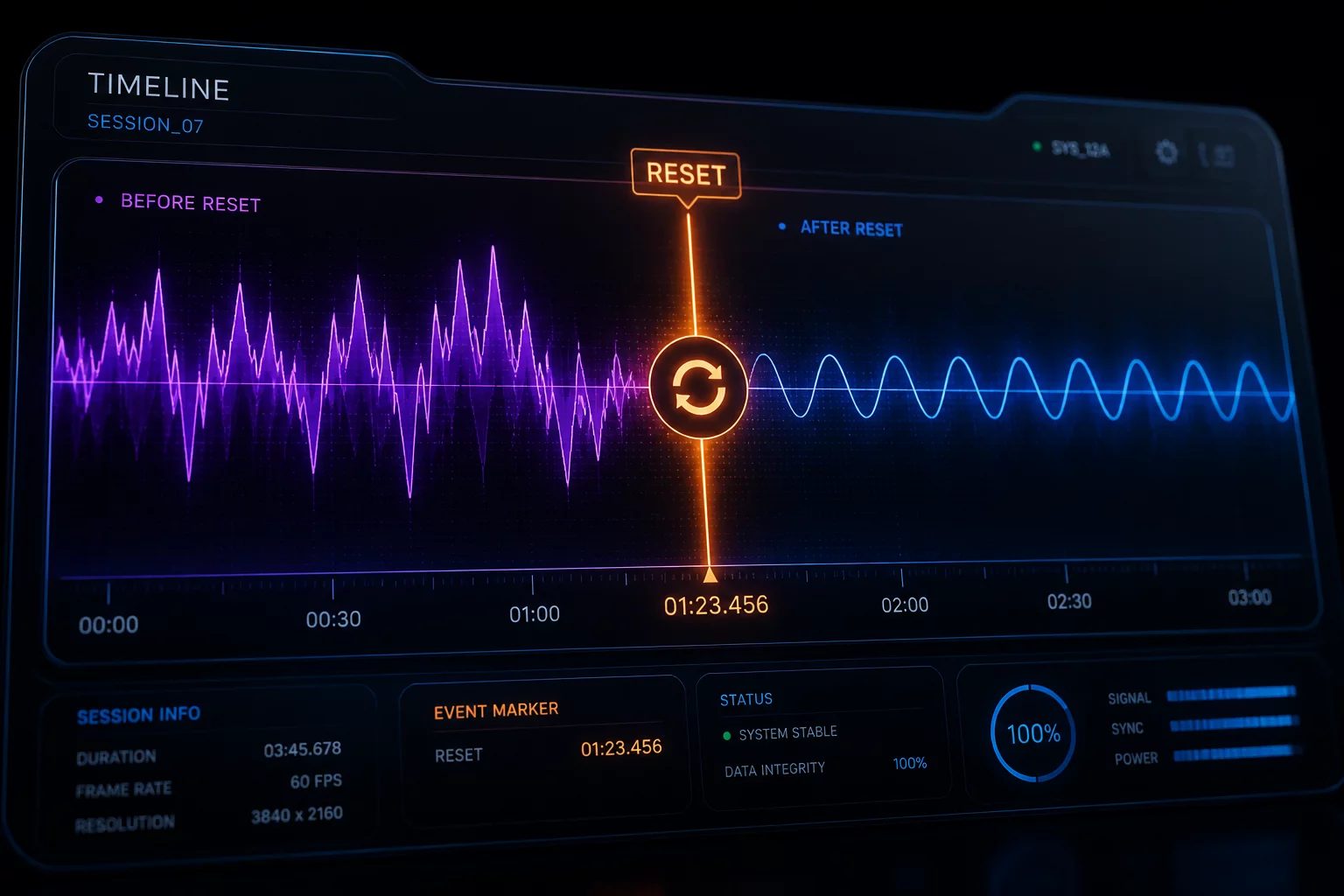
The Necessity of the Auditory Palate Cleanser
When a performance shifts from heavy driving techno into deep melodic grooves or breakbeat territory, the biggest hurdle is psychological inertia. Dancers settle into physical motor rhythms dictated by specific kick weights and syncopation patterns. Ramming a radically contrasting groove directly into an active mix creates acute cognitive dissonance.
An intentional reset point functions as an acoustic palate cleanser. By deconstructing the dense wall of sound into space, ambient textures, and subtle polyrhythmic cues, the selector creates a momentary vacuum that primes listeners for what comes next.
A reset point is never lost energy; it is potential energy waiting to be redirected with deliberate precision.— Marcus Thorne, Fieldbook Lead Architect
Serato Dynamic Prep Blueprint
Master cue tagging, loop banks, and color markers to flag transition pivots inside Serato DJ Pro.
Deconstructing the Pivot Mechanism
Executing a seamless pivot demands strict technical discipline across frequency isolation and gain staging. Fading out mid-range leads while letting a high-pass filtered reverb tail ring out creates a natural acoustic threshold.
Pivot Transition Technical Parameters
- Frequency Cutoff Point High-Pass 320 Hz + Low-Shelf Cut
- Reverb Decay Envelope 3.8s at 45% Wet Mix
- Tempo Glide Tolerance ±4 BPM across 16 bars
- Harmonic Compatibility Camelot Wheel Jump (+1/-1 or Relative Minor)
Managing the low frequencies is paramount during this crossover. Pulling both bass lines out completely for 8 to 16 bars removes rhythmic commitment, leaving the floor floating until the new bass line drops with full kinetic authority.
3-Stage Architectural Execution
Every successful set pivot follows a three-stage structural cadence that can be repeated reliably across varying performance environments.
Deconstruct the Existing Groove
Filter out dominant synths and isolate the percussion loop, stripping away melodic context to create neutral ground.
Establish the Ambient Horizon
Introduce an atmospheric layer, vocal stem, or riser from the incoming record to redefine the room's emotional atmosphere.
Deploy the Incoming Foundation
Drop the incoming low-end precisely at the beginning of a fresh 32-bar phrase, locking the room into the new sonic trajectory.
Once the new direction takes hold, reinforce it with at least two supporting tracks within the same sonic lineage before attempting another major shift.
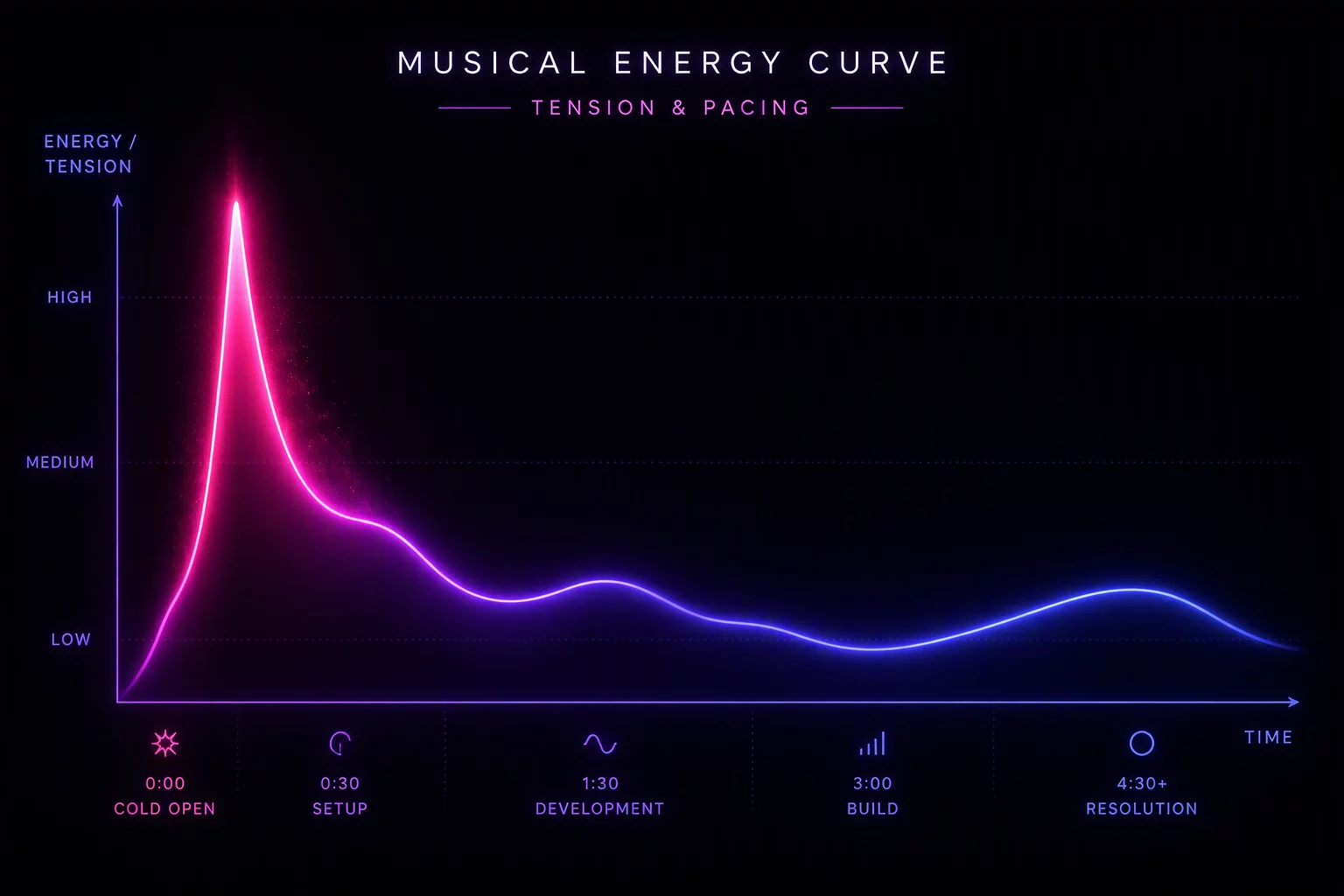


Fieldbook Insights & Feedback
Marcus Reynolds
Verified ArchitectThe harmonic arc mapping and reset point timings described here matched my field tests in the club environment accurately.
Contribute Observation