The Euphoric Peak Arc
A deliberate progression engineered to maximize collective floor energy, culminating in an overwhelming emotional release and sonic elevation.
- Ideal Slot: Peak Time / Main Festival Stage (01:30 - 03:30)
- Harmonic Step: +1 to +2 Semitones / Energy Wheel Shift
- BPM Window: 126 → 134 BPM (+8 BPM Dynamic Ascent)
- Tension Index: 9.8 / 10 (Maximum Release)
Blueprint of the Euphoric Peak Arc
Understanding the balance between relentless energy accumulation and delayed gratification in peak-time DJ curation.
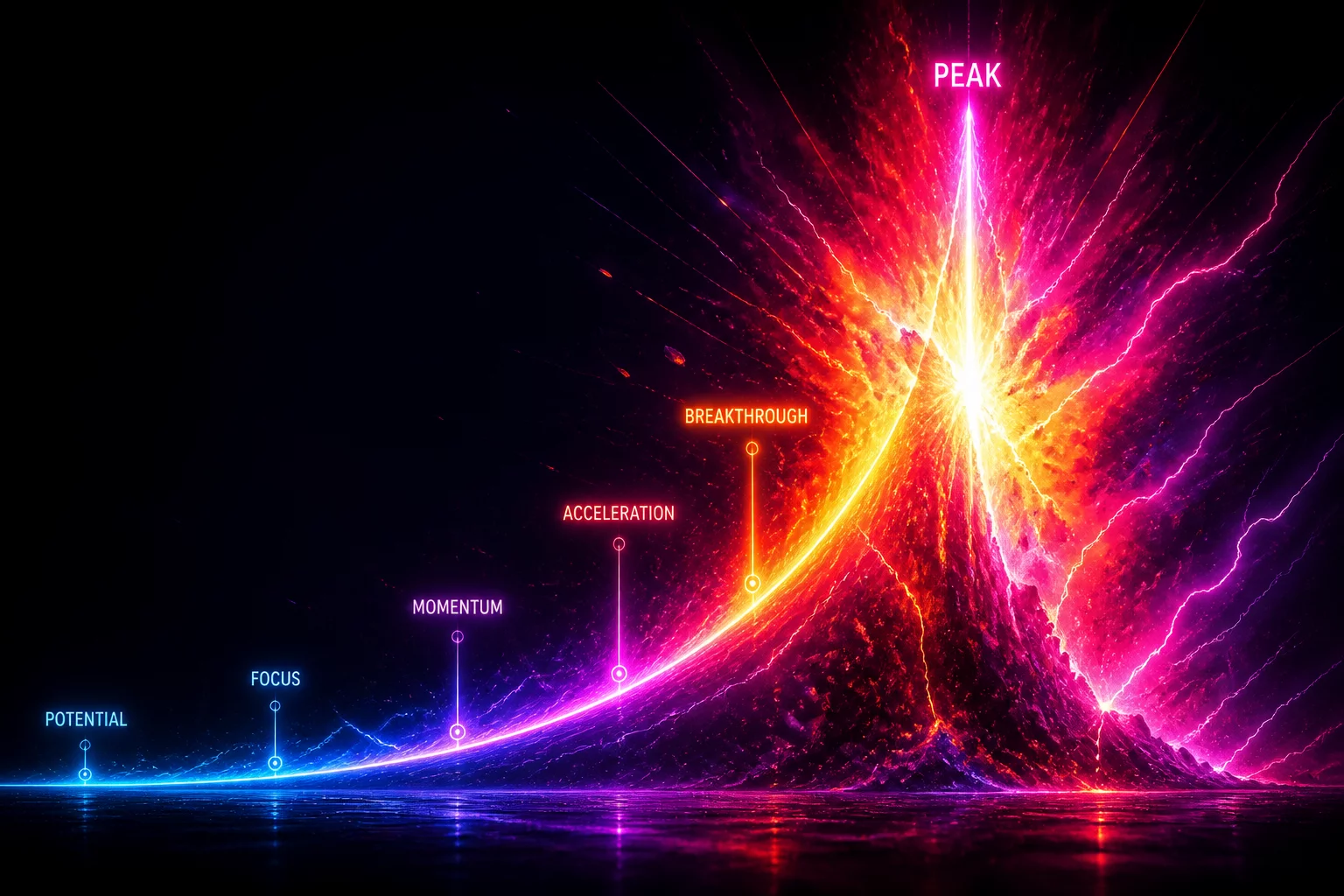
The Euphoric Peak Arc is not simply a sequence of bangers played back-to-back. Rather, it operates as an escalating narrative where each successive track introduces higher harmonic frequency bands, wider stereo imagery, and denser percussion layers. By maintaining a firm foundational groove while withholding full melodic catharsis until the calculated apex, the selector cultivates palpable anticipation across the room.
When executing this arc, pacing dictates everything. Rushing into the peak too quickly burns the dancefloor out prematurely, while delaying the release too long risks dissipating the accumulated momentum. The key lies in micro-climaxes: brief moments of release that still leave room for the true transcendent sonic peak in the set’s final third.
"A true euphoric peak is earned through disciplined restraint in the mid-frequencies long before the master faders open into complete emotional release."
Phase Distribution & Kinetic Flow
Systematic phase-by-phase calibration parameters across the four stages of the Euphoric Peak progression.
| Parameter Phase | Energy Level | Transition Mode | Recommended Track Type |
|---|---|---|---|
| Phase I: Foundation & Anchor | 65% Kinetic | Extended 64-Beat Low-End Crossfades | Driving Minimal Basslines & Steady Kick |
| Phase II: Harmonic Elevation | 80% Kinetic | Mid-EQ Harmonic Blends with Echo Outs | Atmospheric Vocal Chops & Synth Arpeggios |
| Phase III: The Euphoric Climax | 100% Kinetic | Hard Drop on Downbeat / Brake Cut | Anthem Lead Synths & Full Orchestral Chords |
| Phase IV: Resonant Echo & Glide | 75% Kinetic | Reverb Tail Dissolve / Filter Sweep | Deep Warm Chords & Ambient Pad Grooves |
Tactical Note: Maintain strict headroom monitoring during Phase III. Summing multiple high-frequency synth leads and saturated master dynamics can cause unintended acoustic fatigue if gain staging is uncalibrated.
Technical Execution & Transition Protocols
Detailed breakdowns of acoustic manipulation, harmonic key stepping, and crowd psychoacoustics.
Establish a hypnotic, rolling low-end groove with minimal mid-range distraction. The goal is physical entrainment: synchronizing heart rates and physical movement before introducing broad emotional themes.
- Restrict full-range lead synths; keep high-pass filters active on secondary audio channels.
- Use subtle Camelot Wheel progression (+1 key step) to prime subconscious emotional response.
Layering wider stereo chords, rising arpeggios, and aggressive risers. Every breakdown extends slightly longer, heightening tension while rhythmic elements drop out temporarily.
- Utilize dynamic 3/4 delay throws and sweep filters right before the downbeat to emphasize drop impact.
- Increase overall BPM by +1 to +2 units across transitions using imperceptible master tempo increments.
The primary sonic payload where the most anthemic, emotionally potent chord progression is introduced. Maximum floor density and peak acoustic power are unleashed.
- Transition via drop-swap or immediate phrase cut to prevent melodic clashing between iconic anthems.
- Sustain peak resonance for no more than 2–3 tracks before transitioning into an intentional glide to protect listener fatigue.
Related Dynamic Arcs
Contrast the Euphoric Peak Arc against alternate pacing methodologies and set curve architectures.
Set Arc Discussion
Observations, floor reactions, and acoustic calibration feedback from active DJs in the field.
No comments yet. Be the first to leave a field note observation.